
Storm Recovery & Emergency Tree Service in Kansas City
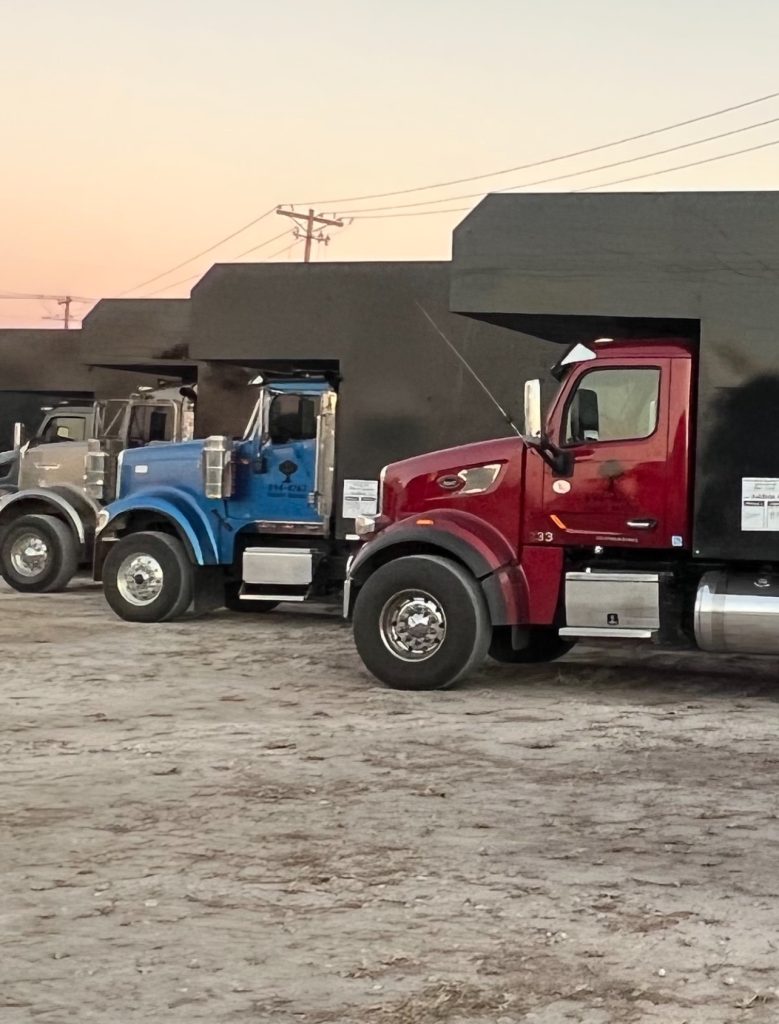
Storm Management Services
When disaster strikes, it can leave a trail of damage behind, especially for the trees in our communities. Kansas City Tree Care is here to help with storm recovery, and they know how to handle it all. From hurricanes to wildfires, their team is equipped to assess and address the damage caused by natural disasters. In the aftermath of severe weather, restoring safety and beauty to our homes, businesses, and public spaces is important. With a focus on tree health and preservation, Kansas City Tree Care can provide expert care for a full range of storm-related issues, including floods, tornadoes, ice storms, wind damage, and snowstorms. Trust them to help you get back on track and restore your property to its former glory.
Proudly Serving – School districts · Municipalities · Counties · States · Federal Government
24-Hour Emergency Tree Service in Kansas City
When a tree falls on your home at 2 AM during a thunderstorm, you need a tree service company that answers the phone and shows up. Kansas City Tree Care provides 24-hour emergency tree removal across the entire Kansas City metro, 365 days a year. Our emergency crews maintain fully loaded trucks with chainsaws, rigging gear, chippers, and crane equipment so we can deploy immediately when you call. We prioritize calls based on severity — trees on occupied structures, trees blocking emergency access, and trees on power lines get the fastest response.
Emergency tree service is not the same as routine tree removal. When a tree falls during a storm, the situation is dangerous and unpredictable. Broken branches under tension can spring loose without warning. Partially uprooted trees can shift and fall further. Downed power lines may be hidden under debris. Our emergency crews are trained to assess these hazards, establish safe work zones, and stabilize the situation before beginning removal. We coordinate directly with Evergy when fallen trees involve power lines, and we work with emergency services when trees block roads or threaten occupied structures.
Kansas City Storm Damage Patterns
The Kansas City metro experiences some of the most severe weather in the country. We average 50–60 thunderstorm days per year, with straight-line winds that regularly exceed 60 mph. Spring and early summer bring the worst storms, with large hail, microbursts, and occasional tornadoes that can devastate entire neighborhoods’ tree canopies in minutes. Summer brings intense heat and drought stress that weakens trees, making them more vulnerable to wind damage when storms return. Winter ice storms coat branches with heavy ice that causes breakage throughout the canopy — the 2002 and 2007 ice storms caused millions of dollars in tree damage across the metro.
Different tree species respond differently to Kansas City storms. Silver maples are notorious for splitting during wind events because of their brittle wood and weak branch unions. Bradford pears split down the center during ice storms with predictable regularity. Pin oaks and red oaks are vulnerable to lightning strikes because of their height and their tendency to hold dead branches in the canopy. Cottonwoods along creek corridors topple when saturated soils can no longer support their massive root plates. Our arborists understand which trees on your property are most vulnerable and can recommend preventive measures before the next storm season.
Our Emergency Tree Removal Process
When you call 913-894-4767 for emergency tree service, our dispatcher gathers critical information: Is anyone injured? Is the tree on a structure? Are power lines involved? Is the situation getting worse? Based on this assessment, we dispatch the appropriate crew and equipment. For trees on occupied homes, we aim for the fastest possible response. For less urgent situations like trees blocking driveways, we schedule within hours rather than days.
On arrival, our crew leader conducts a safety assessment before any work begins. We identify hazards including downed power lines, unstable tree sections, damaged structures, and gas lines. We establish a safe perimeter and begin systematic removal — starting with the most dangerous sections first. If the tree is on a roof, we remove weight carefully to prevent further structural damage. All debris is chipped and hauled away, and we tarp any roof openings if needed to prevent water damage until permanent repairs can be made.
Save or Remove: Our Storm Damage Assessment
Not every storm-damaged tree needs to be removed. Our arborists assess damaged trees and give you an honest recommendation. Trees that have lost less than 50% of their canopy and retain their main structural branches can often be saved through restorative pruning over 2–3 growing seasons. Trees with split trunks, exposed root plates, major bark damage on the trunk, or loss of more than 50% of the canopy are typically better candidates for removal.
We explain the options, the costs, and the realistic outcomes so you can make an informed decision. Saving a storm-damaged tree through restoration pruning costs less up front than removal, but if the tree’s long-term prognosis is poor, you’ll end up paying for removal later anyway. Our arborists will always tell you the truth about your tree’s chances — we don’t push removal when pruning will work, and we don’t recommend pruning when the tree is beyond saving.
Storm Damage Costs and Insurance
Emergency tree service typically costs more than scheduled tree removal due to after-hours labor, the urgency of response, and the hazardous conditions involved. Most Kansas City homeowner’s insurance policies cover tree removal when a tree falls on an insured structure (house, garage, fence) or blocks access to the home. The tree removal cost, debris cleanup, and structural repairs are typically covered minus your deductible. We provide detailed invoices and photo documentation that make the insurance claims process easier for our customers. Contact your insurance company as soon as possible after storm damage — adjusters prioritize early claims.
Preparing Your Property for Storm Season
The best emergency tree service is the one you never need. Preventive tree care significantly reduces storm damage risk. Our arborists recommend scheduling a pre-storm-season inspection in late winter or early spring. We identify dead branches, weak unions, overextended limbs, and structurally compromised trees that are most likely to fail during storms. Addressing these issues before storm season costs a fraction of emergency removal after the damage is done. Kansas City Tree Care provides free storm preparedness assessments — call 913-894-4767 to schedule yours before the next storm season.
Frequently Asked Questions About Emergency Tree Service in Kansas City
Kansas City Tree Care responds to emergency tree calls as quickly as possible, typically within hours. Trees on occupied structures, blocking emergency access, or involving power lines receive our fastest response. During major storms with widespread damage, we triage calls based on severity and work around the clock until all emergencies are addressed. Call 913-894-4767 any time, day or night, for emergency tree service.
First, ensure everyone in the house is safe and evacuate if there’s structural damage. Call 911 if anyone is injured. If power lines are down, stay away and call Evergy. Then call Kansas City Tree Care at 913-894-4767 for emergency tree removal. Do not try to remove the tree yourself. Take photos of the damage for your insurance claim before calling your insurance company. We can tarp roof openings to prevent water damage until permanent repairs are made.
Most homeowner’s insurance policies cover tree removal when a tree falls on an insured structure (house, garage, fence) or blocks access to your property. Coverage typically includes the removal cost, debris cleanup, and structural repairs minus your deductible. Insurance usually does not cover removing standing hazardous trees before they fall. We provide detailed invoices and photo documentation to support your insurance claim.
Yes, we coordinate directly with Evergy when fallen trees involve power lines. Never approach or attempt to move a tree that is on or near downed power lines — lines can remain energized even when they appear dead. We establish safe work zones and wait for utility company clearance before working near electrical hazards. Our crews are trained in utility-adjacent emergency operations.
Emergency tree removal typically costs $500–$5,000+ depending on the tree’s size, the severity of the situation, and the complexity of the removal. After-hours and weekend calls may include additional charges. When insurance covers the removal (tree on a structure), you typically only pay your deductible. We provide written estimates before beginning non-emergency work, and we offer competitive pricing even for emergency situations.
No. Storm-damaged trees are extremely dangerous. Broken branches under tension can spring free with lethal force. Partially uprooted trees can shift and fall without warning. Hanging branches (called “widow makers”) can drop at any time. Chainsaws in the hands of untrained operators cause thousands of injuries every year. Even small storm cleanup should be approached with extreme caution. Call a professional tree service for any storm damage involving large branches, leaning trees, or trees near power lines.
Kansas City Tree Care provides emergency tree service across the entire Kansas City metro on both the Kansas and Missouri sides. Our emergency service area includes Overland Park, Olathe, Shawnee, Lenexa, Leawood, Prairie Village, Mission, Fairway, Roeland Park, Kansas City (MO), Lee’s Summit, Liberty, Independence, Grandview, Belton, and Raytown. Call 913-894-4767 for 24-hour emergency service in any of these areas.
Schedule a pre-storm-season tree inspection with our arborists in late winter or early spring. We identify dead branches, weak unions, and structurally compromised trees that are most likely to fail during storms. Regular tree trimming on a 3–5 year cycle removes hazards before they cause damage. Cabling and bracing can stabilize trees with structural weaknesses. Preventive tree care costs a fraction of emergency removal and property repairs after storm damage.